 Comfortable ClassicsComfortable Classics
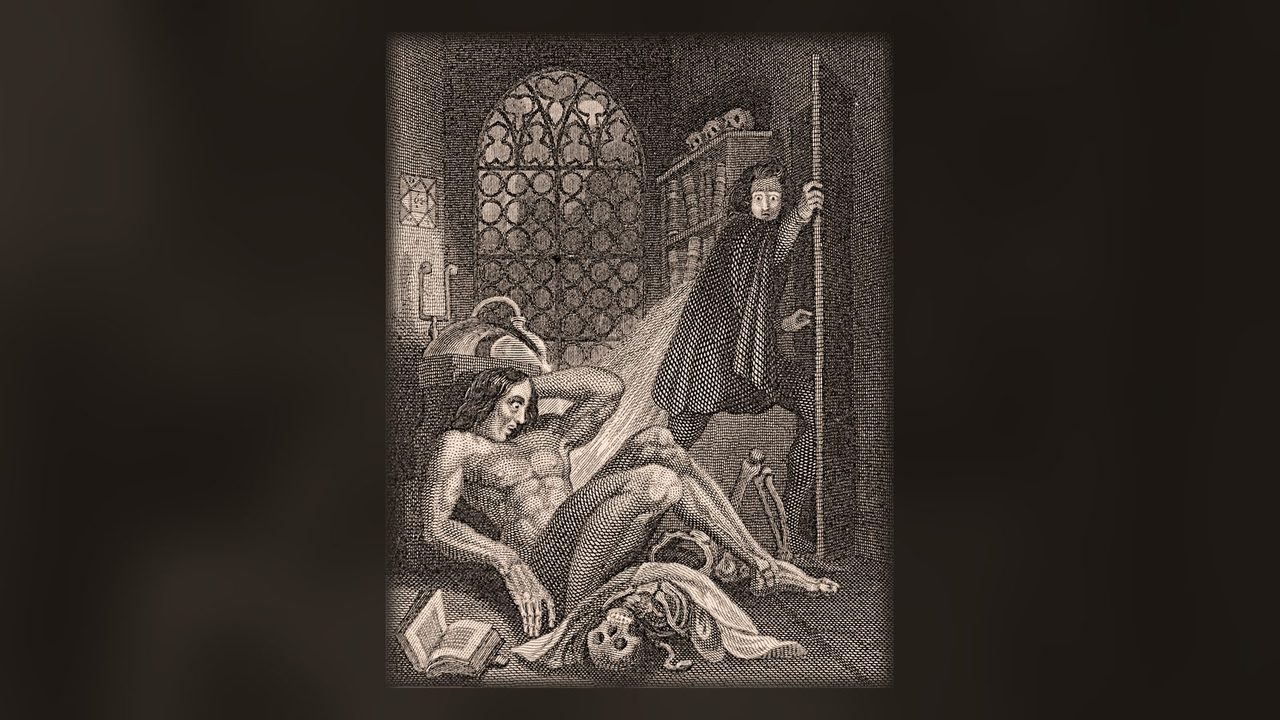
In the summer of 1816, on the shores of Lake Geneva, a group of friends trapped indoors by storms challenged each other to write a ghost story. One of them, an eighteen-year-old named Mary Godwin, soon to be Mary Shelley, imagined a scientist kneeling beside the creature he had made and watching it stir to life. Her story became Frankenstein; or, The Modern Prometheus, published in 1818 and often called the first science fiction novel.
The tale opens in the frozen Arctic, where the explorer Robert Walton rescues a half-dead stranger from the ice. The man is Victor Frankenstein, and he has a warning to share. As a brilliant young student in Ingolstadt, Victor became obsessed with discovering the secret of life. Working alone through sleepless nights, gathering materials from charnel houses and dissecting rooms, he succeeded. But when his creation opened its eyes, Victor was so horrified that he fled and abandoned it.
The creature, alone and bewildered, must make his own way in a world that recoils from him. In one of the most moving sections of the novel, he tells his own story: how he learned to speak and read by secretly watching a poor family, how he longed for love and companionship, and how rejection after rejection turned his gentleness into rage. He confronts his maker with a demand, and Victor's choice sets in motion a chase that leads from the Alps to the Arctic.
The Frankenstein of the novel is very different from the bolt-necked monster of the movies. Shelley's creature is intelligent, eloquent, and heartbreaking. Her book asks questions that feel more urgent than ever: What do creators owe the things they create? What happens when ambition outruns responsibility? What makes someone a monster?
Mary Shelley was the daughter of two famous writers, the philosopher William Godwin and the pioneering feminist Mary Wollstonecraft. Her novel has inspired films, plays, and debates about science and ethics for more than two hundred years.
Comfortable Classics was created to help families build a library worth keeping. Each book in the series shares the same handsome design, a black cover with warm wood-grain bands and a parchment panel. Only the title lettering changes, chosen to suit each book's spirit. Together they make a matching collection that looks beautiful on a shelf and invites you to take the next one down.
Classics meant to be kept, studied, and handed down.
At its heart, a story about what we owe the ones who come after us. Read it with a curious teen and talk about science and responsibility.
Part of the Comfortable Classics series. Collect the matching set.