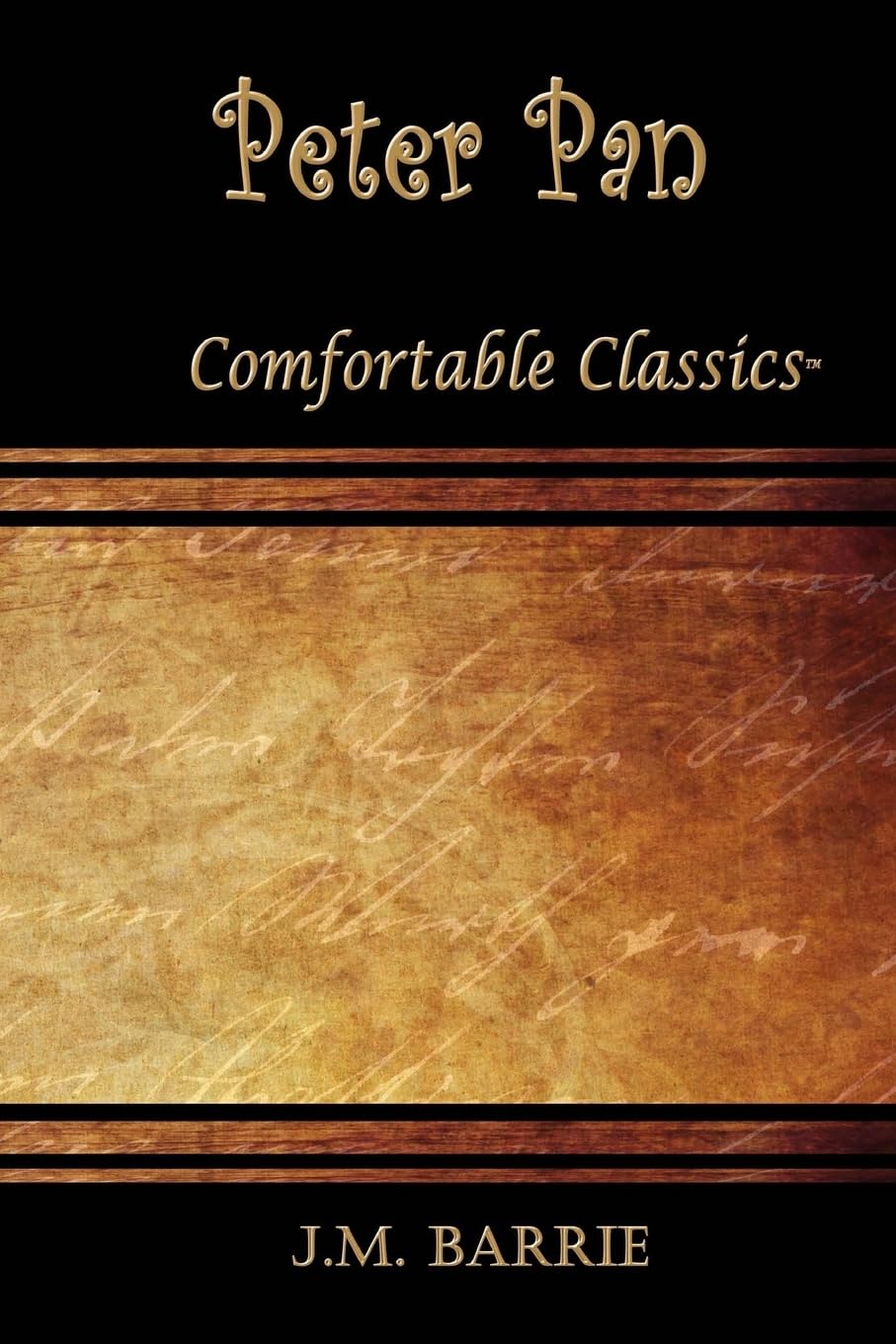
 Comfortable ClassicsComfortable Classics
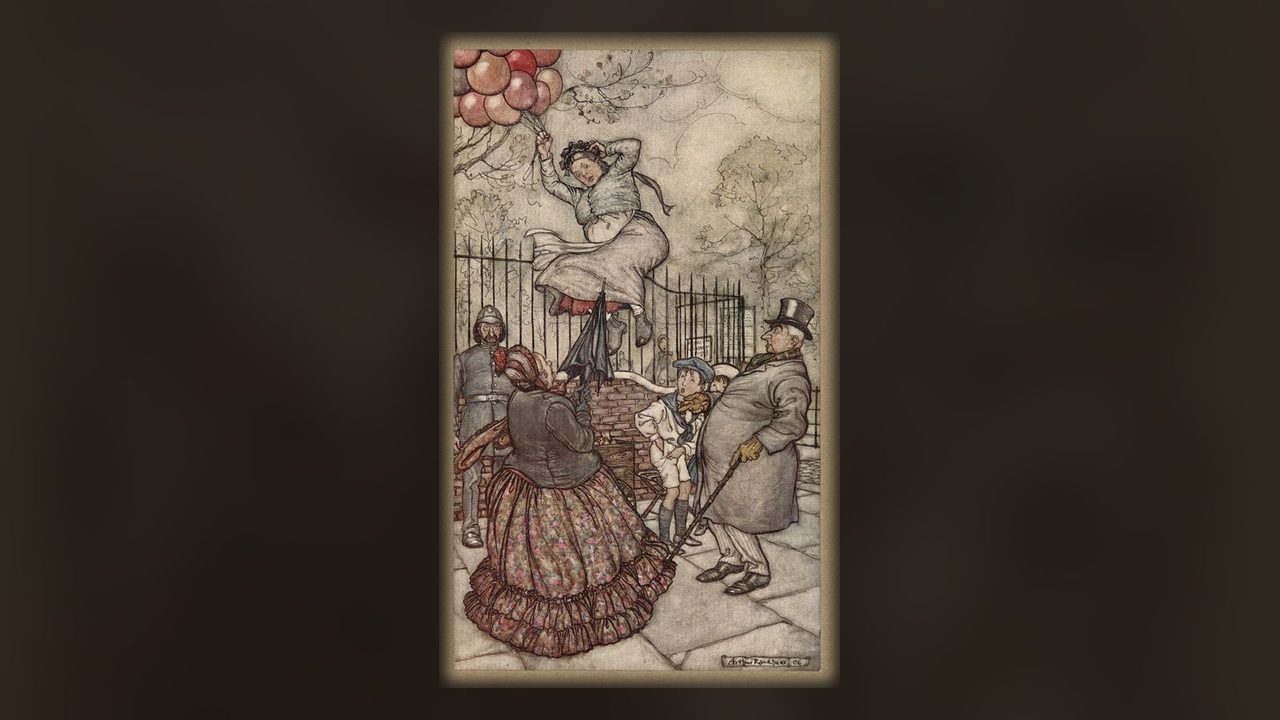
"All children, except one, grow up." So begins Peter Pan, J.M. Barrie's beloved story of the boy who would never grow old. First told on stage in 1904 and published as the novel Peter and Wendy in 1911, it has enchanted children and haunted grown-ups for more than a century.
In a comfortable house in London live the Darling family: Mr. and Mrs. Darling, their children Wendy, John, and Michael, and Nana, the Newfoundland dog who serves as nursemaid. One night, after Peter Pan loses his shadow in the nursery, he returns to find it. With a sprinkle of fairy dust from the fiery little fairy Tinker Bell and a few happy thoughts, Peter teaches the children to fly. They soar out the window, "second to the right, and straight on till morning," to the magical island of Neverland.
There they find mermaids in their lagoon, the brave princess Tiger Lily, a ticking crocodile, and the Lost Boys, children who fell out of their prams and now live underground with Peter. Wendy becomes their mother, telling stories and mending pockets. But Neverland has its villain too: the vain, elegant, and wickedly clever Captain James Hook, who has sworn revenge on Peter for cutting off his hand. Kidnappings, sword fights, and a showdown on the pirate ship Jolly Roger follow before the children must decide whether to stay in Neverland forever or go home.
Beneath its adventure and humor, Peter Pan is a tender and surprisingly wise book about childhood, imagination, and the bittersweet passage of time. Barrie writes with sly wit for parents as well as wonder for children, which is part of why it rewards rereading at every age. Peter's choice never to grow up is both thrilling and a little sad, and Wendy's choice to grow up carries its own quiet courage.
Barrie gave the rights to Peter Pan to London's Great Ormond Street Hospital for Children, a gift that has helped sick children for nearly a century.
Comfortable Classics was created to help families build a library worth keeping. Each book in the series shares the same handsome design, a black cover with warm wood-grain bands and a parchment panel. Only the title lettering changes, chosen to suit each book's spirit. Together they make a matching collection that looks beautiful on a shelf and invites you to take the next one down.
Classics meant to be kept, studied, and handed down.
Peter Pan ends with Wendy's daughter, and then her granddaughter, flying off with Peter in turn. Read it at bedtime and keep it for the day your child reads it to children of their own.
Part of the Comfortable Classics series. Collect the matching set.