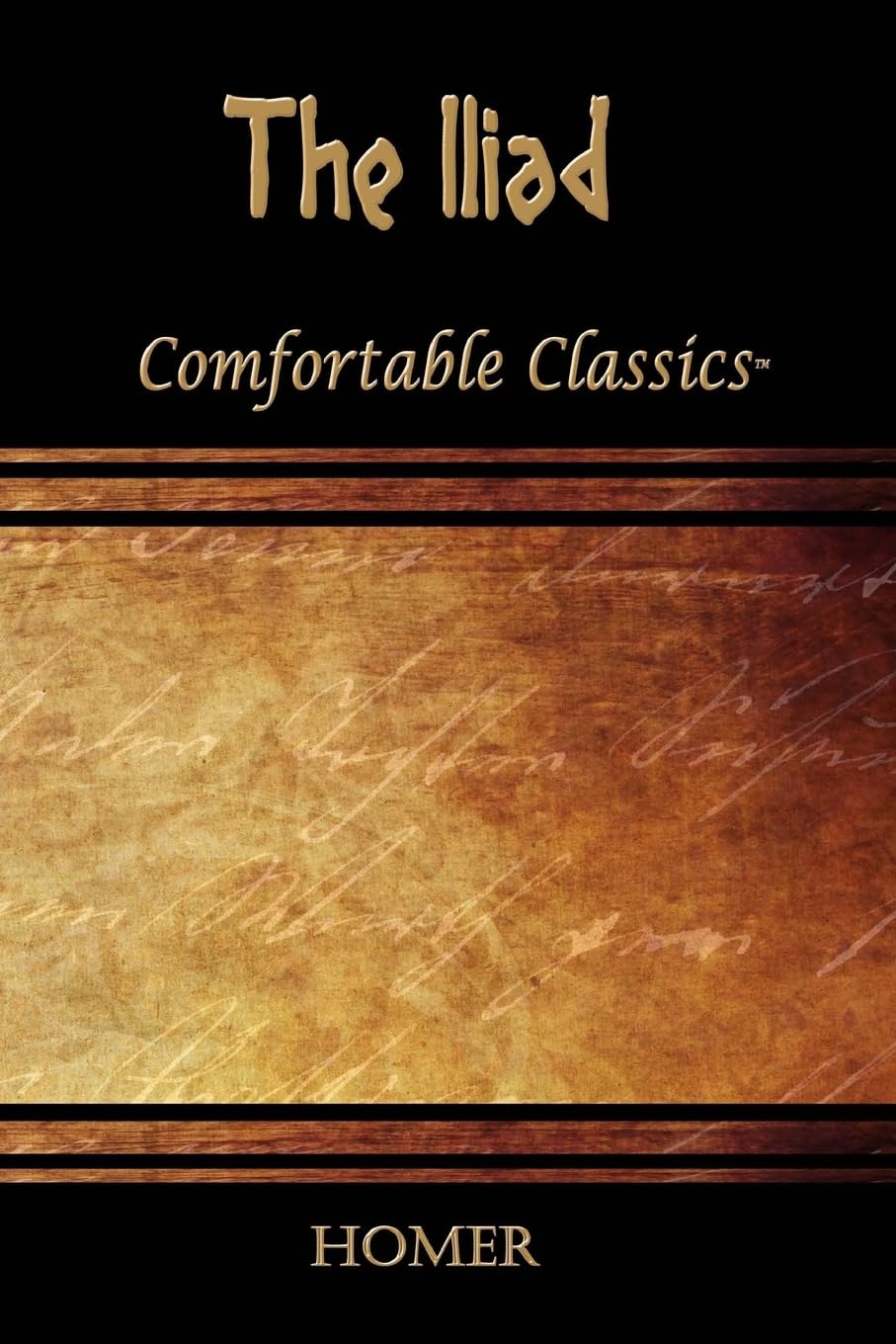
 Comfortable ClassicsComfortable Classics
"Sing, goddess, the anger of Achilles." With those words, nearly three thousand years ago, Western literature began. The Iliad, the ancient Greek epic attributed to the poet Homer, tells of a few fateful weeks in the tenth year of the Trojan War, and it remains one of the most powerful stories ever told about war, honor, grief, and what it means to be human.
The Greeks, called Achaeans in the poem, have sailed across the sea to the city of Troy to win back Helen, the wife of King Menelaus of Sparta, who was carried off by the Trojan prince Paris. For nine years they have besieged the city without success. As the poem opens, a bitter quarrel breaks out between Agamemnon, the proud leader of the Greek army, and Achilles, its greatest warrior. Dishonored when Agamemnon takes away his prize, Achilles withdraws from the fighting and asks the gods to let the Greeks suffer without him.
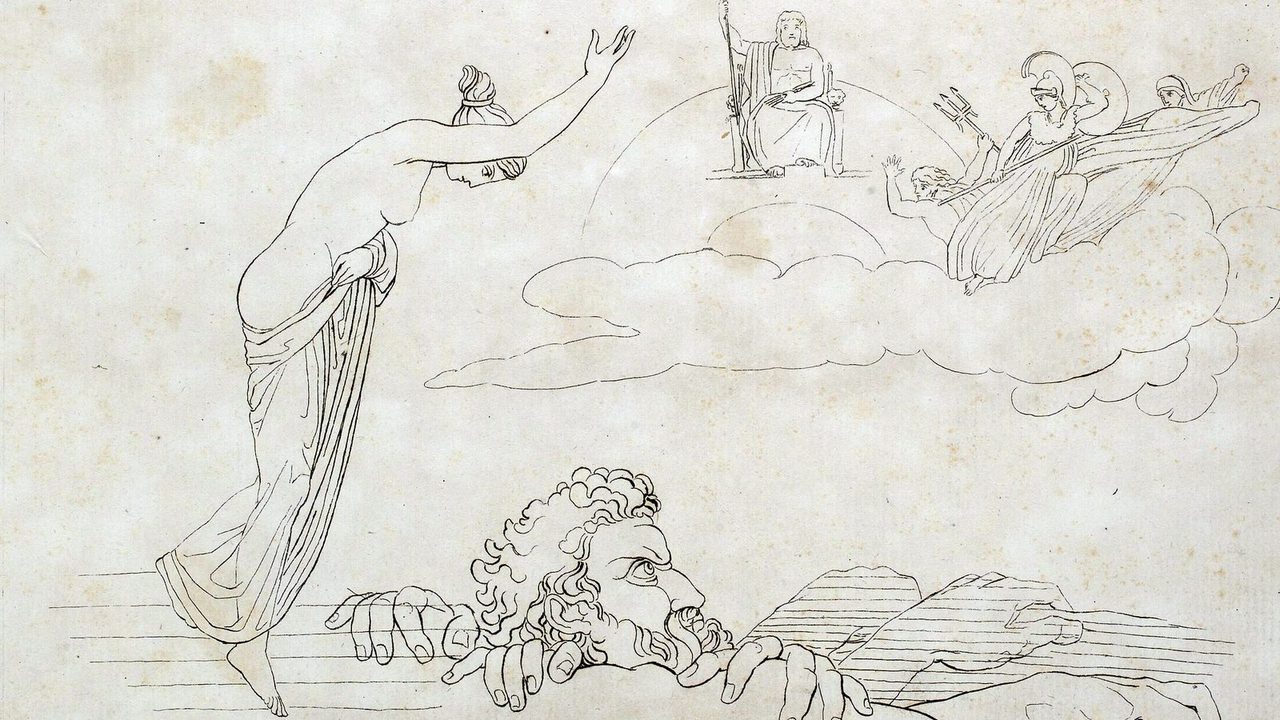
What follows is an epic of battles, duels, and divine intervention. The gods of Olympus take sides, with Hera and Athena favoring the Greeks and Aphrodite and Apollo aiding Troy, while Zeus weighs the fates of men. Heroes such as Diomedes, Ajax, and Odysseus fight on the Greek side, and the noble Hector, prince of Troy, defends his city and his family. Some of the most moving scenes are not on the battlefield at all: Hector's farewell to his wife Andromache and their baby son, or the aged King Priam's courageous mission at the poem's end. When Achilles' beloved friend Patroclus enters the fight, the story turns toward tragedy, and Achilles' rage takes a new and terrible direction.
The Iliad was composed in the oral tradition, likely around the eighth century BC, and was performed by singers long before it was written down. For the ancient Greeks it was the foundation of education, and it has inspired poets, artists, and thinkers ever since.
Comfortable Classics was created to help families build a library worth keeping. Each book in the series shares the same handsome design, a black cover with warm wood-grain bands and a parchment panel. Only the title lettering changes, chosen to suit each book's spirit. Together they make a matching collection that looks beautiful on a shelf and invites you to take the next one down.
Classics meant to be kept, studied, and handed down.
The Iliad was handed down by voice alone, from singer to listener, for centuries before it was written. Read it aloud with an older student.
Part of the Comfortable Classics series. Collect the matching set.