 Comfortable ClassicsComfortable Classics
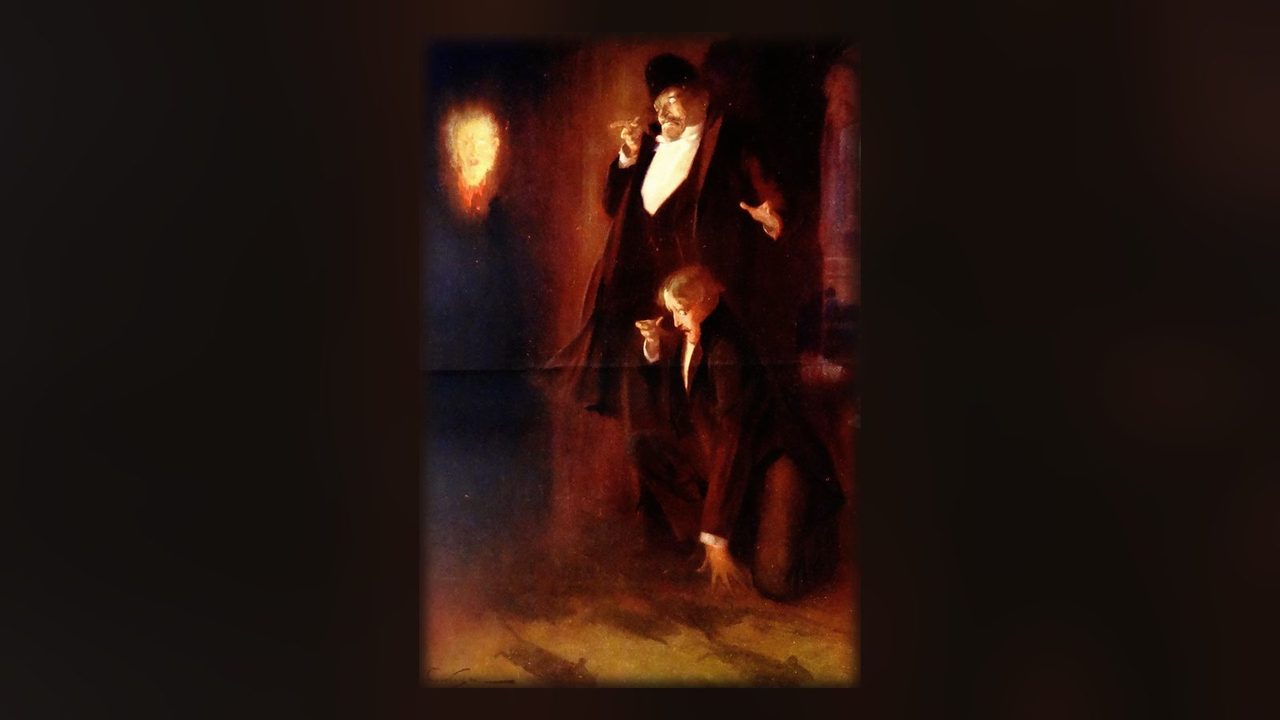
"The Opera ghost really existed." So declares the narrator at the start of Gaston Leroux's The Phantom of the Opera, first published in serial form in 1909 and 1910. Part Gothic romance, part mystery, and part horror story, it introduced one of the most famous and tragic figures in popular culture.
The setting is the Paris Opera House, the Palais Garnier, a glittering palace of music above and a labyrinth of cellars, trapdoors, and an underground lake below. Strange things are happening there. Stagehands whisper of a ghost in evening dress with a face like a death's head. A mysterious letter-writer demands a monthly salary from the managers and insists that Box Five be kept empty for him. Those who ignore his instructions meet with accidents, and one night a great chandelier comes crashing down onto the audience.
At the center of the story is Christine Daaé, a young Swedish soprano of modest talent who suddenly begins to sing like an angel. She confides that she has been taught by a mysterious voice she believes is the "Angel of Music" her late father promised to send her. Her childhood friend, the young Vicomte Raoul de Chagny, falls in love with her and grows desperate to discover the truth. As the mystery deepens, Christine is drawn into the shadowy world beneath the opera house, ruled by Erik, a masked genius of music, architecture, and illusion, whose brilliance is matched only by his torment and his obsessive love.
Leroux was a lawyer turned journalist and crime reporter before he became a novelist, and he brings a reporter's eye to the story, presenting it as an investigation built from interviews and documents. He drew on real details of the Palais Garnier, including its underground water reservoir and a real chandelier accident in 1896. The novel blends suspense, romance, and dark humor, and beneath the horror lies a deeply human story about loneliness, beauty, and the longing to be loved.
The book inspired the classic 1925 silent film starring Lon Chaney and, decades later, Andrew Lloyd Webber's musical, one of the longest-running shows in Broadway history.
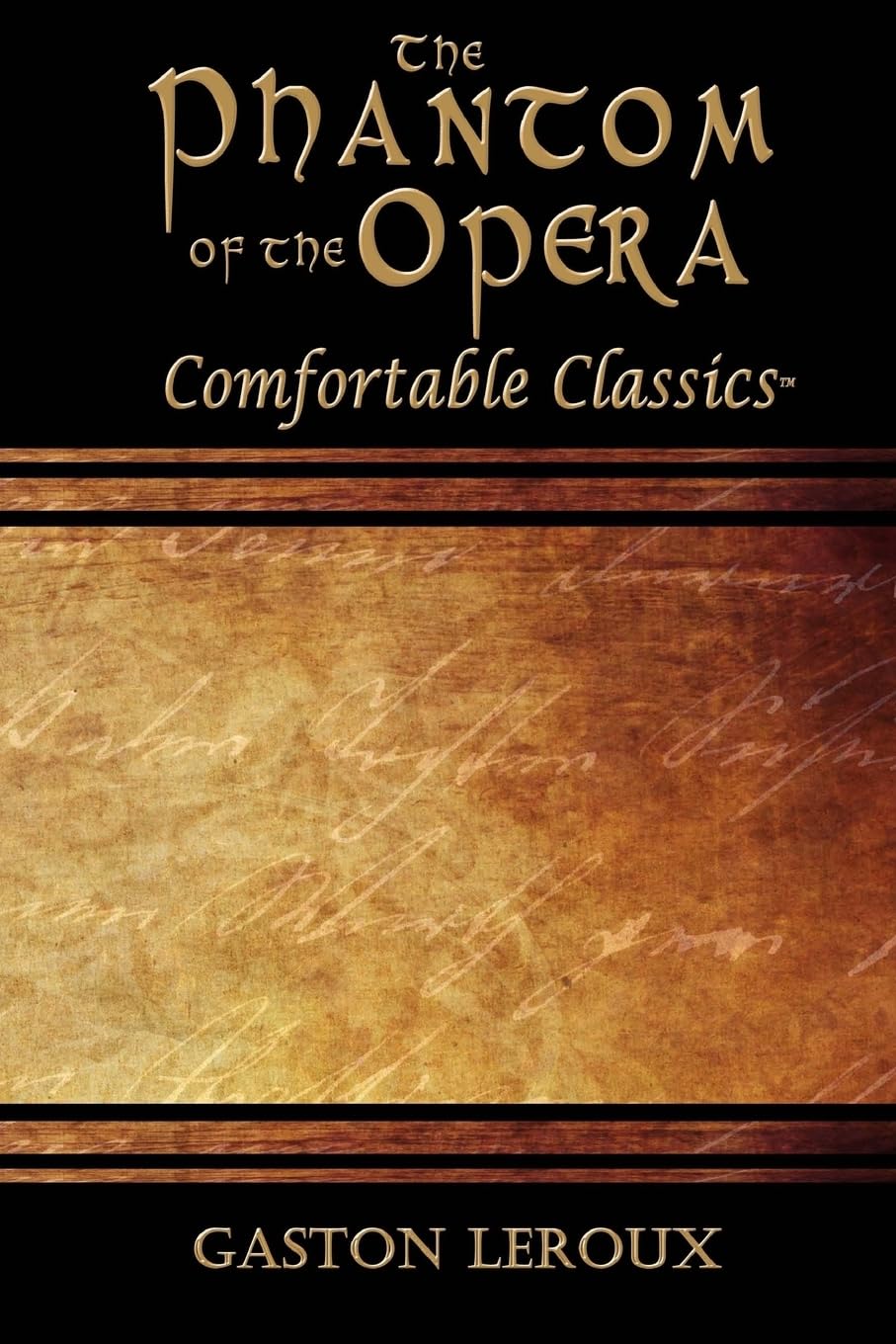
Comfortable Classics was created to help families build a library worth keeping. Each book in the series shares the same handsome design, a black cover with warm wood-grain bands and a parchment panel. Only the title lettering changes, chosen to suit each book's spirit. Together they make a matching collection that looks beautiful on a shelf and invites you to take the next one down.
Classics meant to be kept, studied, and handed down.
Erik's story has been retold on stage and screen for more than a century. Read the original with a teen who loves the musical and compare the two.
Part of the Comfortable Classics series. Collect the matching set.