 Comfortable ClassicsComfortable Classics
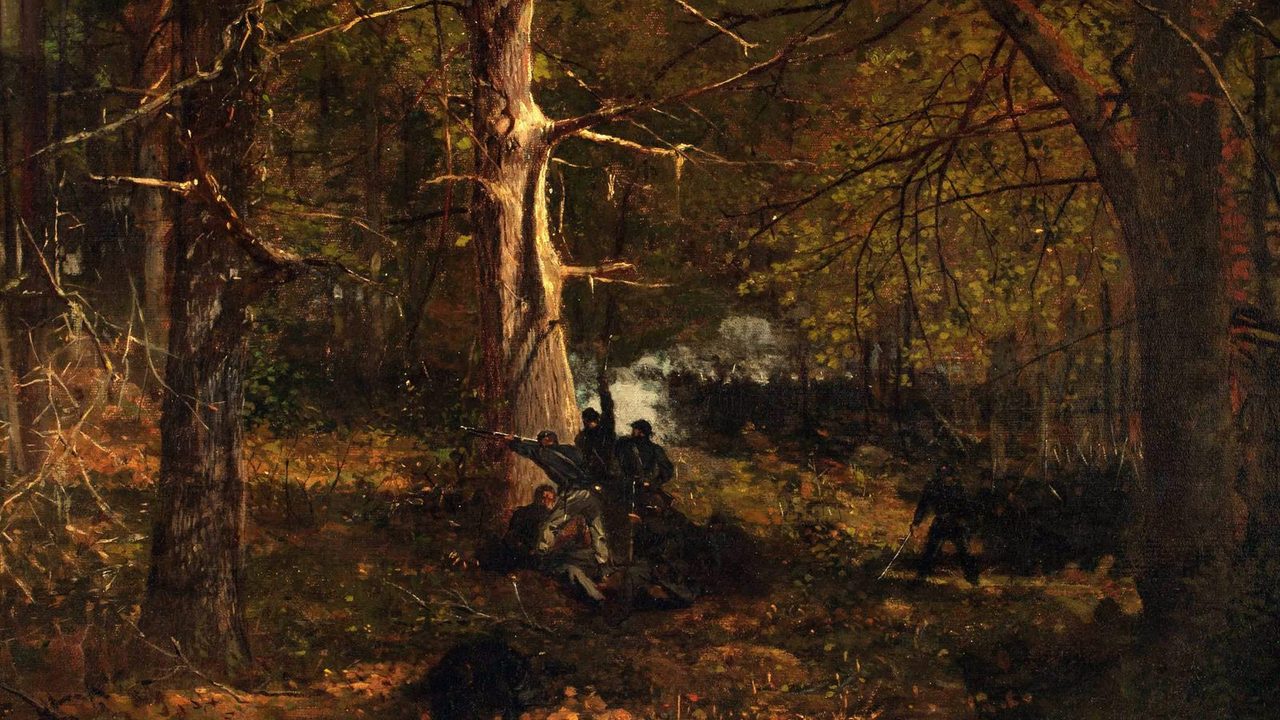
A young farm boy enlists in the Union Army, dreaming of glory and of great Homeric battles. Then, in his first real fight, he runs. Published in 1895, Stephen Crane's The Red Badge of Courage is one of the most vivid and honest novels ever written about war, and about the battle that takes place inside a soldier's mind.
Henry Fleming, called "the youth" through most of the book, is an untested private in a New York regiment during the American Civil War. Through long weeks of drilling and waiting in camp, he wonders anxiously whether he will be brave or whether he will flee when the shooting starts. When his regiment finally goes into battle, he stands his ground at first. But when the enemy charges again, panic overtakes him and he runs from the line. Ashamed, he wanders behind the lines, where he meets a column of wounded men and wishes that he, too, had a wound, a "red badge of courage," to prove his bravery. What happens next, among the smoke, confusion, and noise of the battlefield, will test everything Henry believes about himself.
Remarkably, Crane had never seen war when he wrote the novel. Born in 1871, years after the Civil War ended, he drew on veterans' accounts, history, and his own powerful imagination. Many old soldiers were convinced the young author must have fought himself. The battle is generally thought to be modeled on Chancellorsville, though Crane never names it. His style was strikingly modern, full of bold colors and images, from the "red sun pasted in the sky like a wafer" to the regiment moving like a great monster. Instead of grand strategy and heroic speeches, he showed what war felt like to a single frightened young man.
The novel made Crane famous almost overnight. He went on to work as a war correspondent and died of tuberculosis at just twenty-eight. His book remains a cornerstone of American literature and a landmark of realistic war fiction.
Comfortable Classics was created to help families build a library worth keeping. Each book in the series shares the same handsome design, a black cover with warm wood-grain bands and a parchment panel. Only the title lettering changes, chosen to suit each book's spirit. Together they make a matching collection that looks beautiful on a shelf and invites you to take the next one down.
Classics meant to be kept, studied, and handed down.
Many families have stories of soldiers who wondered whether they would be brave. Read Crane's novel with a teen and share your family's history of service.
Part of the Comfortable Classics series. Collect the matching set.