 Comfortable ClassicsComfortable Classics
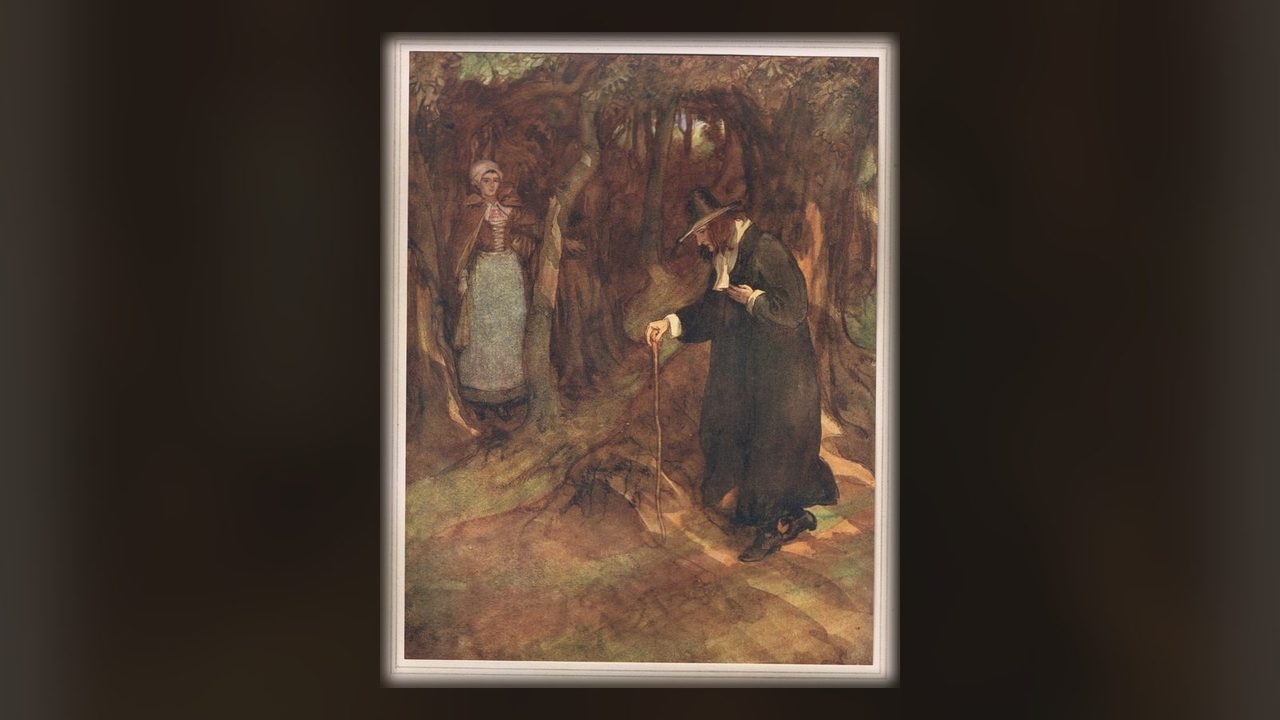
On a summer morning in seventeenth-century Boston, a crowd of stern Puritans gathers outside the prison door. Out steps a young woman holding a baby, and on her dress, embroidered in scarlet and gold thread, is the letter "A." Published in 1850, Nathaniel Hawthorne's The Scarlet Letter is one of the great American novels: a haunting story of sin, shame, secrecy, and redemption.
Hester Prynne has borne a child while her husband, long expected from Europe, has not arrived and is presumed lost at sea. Condemned for adultery, she is forced to stand on the scaffold before the town and to wear the scarlet letter for the rest of her life. When the magistrates and the beloved young minister, Arthur Dimmesdale, press her to name the father of her child, she refuses.
Hester settles on the edge of town with her daughter, Pearl, a wild, bright, elfin child, and supports them both with her exquisite needlework. Over the years, through quiet strength and charity, she begins to change what the letter means to those around her. But she is not the only one carrying a secret. Her husband has secretly arrived in Boston under the name Roger Chillingworth, a physician, and he is determined to find and torment the man who wronged him. Meanwhile, the gifted Reverend Dimmesdale grows ever paler and weaker, wasting away under a mysterious burden.
Hawthorne, born in Salem, Massachusetts, was descended from Puritan ancestors, including a judge in the Salem witch trials, a heritage that haunted him. He opens the novel with "The Custom-House," a sketch about his own work at the Salem customs office. His prose is rich, symbolic, and deeply psychological, exploring how guilt and hypocrisy eat away at the soul, while honesty and compassion can heal. Hester herself, strong, independent, and dignified, is one of the great heroines of American fiction.
Comfortable Classics was created to help families build a library worth keeping. Each book in the series shares the same handsome design, a black cover with warm wood-grain bands and a parchment panel. Only the title lettering changes, chosen to suit each book's spirit. Together they make a matching collection that looks beautiful on a shelf and invites you to take the next one down.
Classics meant to be kept, studied, and handed down.
Hester raises her daughter with love despite the judgment of an entire town. Read it with an older student and talk about mercy, honesty, and standing alone.
Part of the Comfortable Classics series. Collect the matching set.