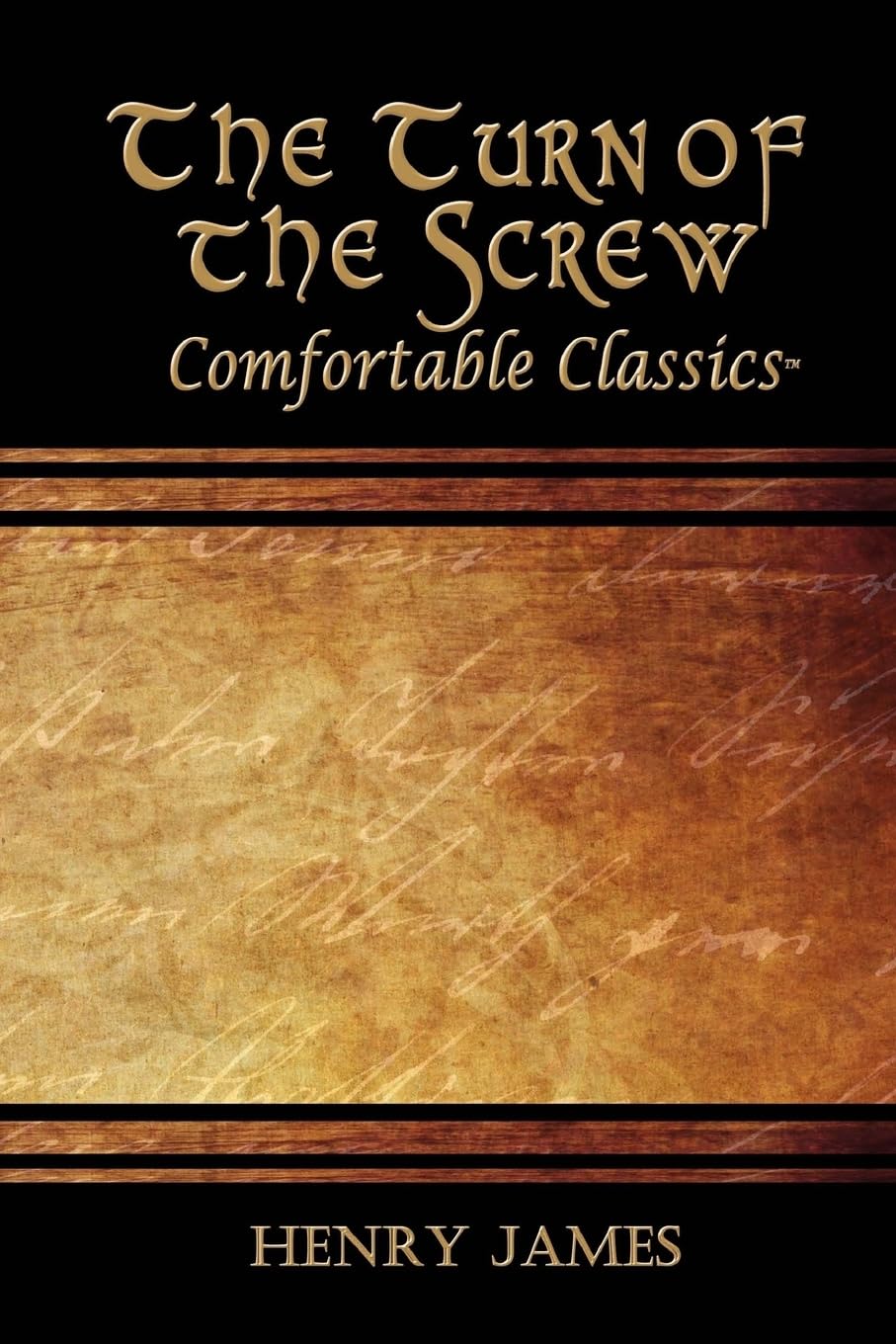
 Comfortable ClassicsComfortable Classics
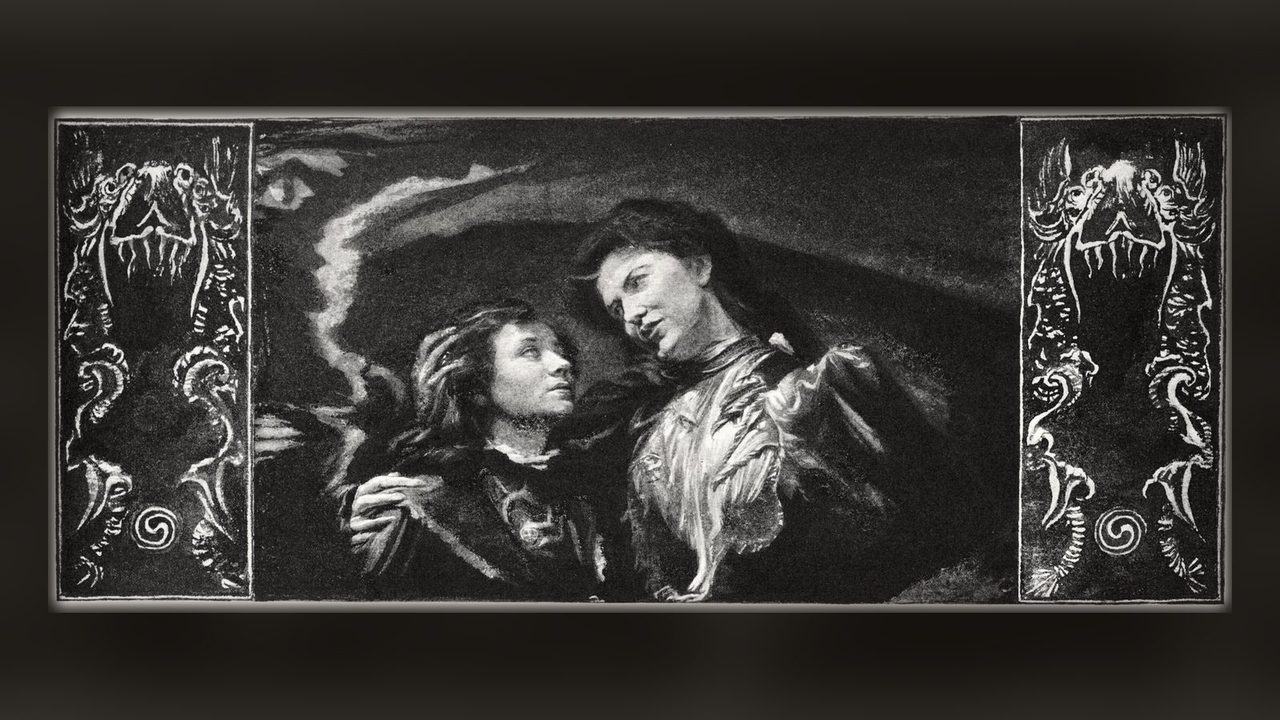
First published in 1898, The Turn of the Screw is one of the most famous ghost stories ever written. It's also one of literature's most enduring puzzles, and readers have argued about what really happens in it for more than a century.
The story begins on Christmas Eve, as guests at an old country house trade ghost stories by the fire. One guest, Douglas, promises a tale more chilling than any they have heard. It's the written account of a young governess he once knew. Hired by a charming but distant gentleman in London, she is sent to Bly, a remote estate in the English countryside. There she will care for his orphaned niece and nephew, little Flora and young Miles, on one strict condition: she must never trouble her employer about anything.
At first Bly seems idyllic, and the children are almost angelically beautiful and well-behaved. Then the governess begins to see figures, a man on the tower and a pale woman across the lake, whom she comes to believe are the ghosts of Peter Quint and Miss Jessel, two former servants who died under dark circumstances. Convinced that the spirits have come for the children, she resolves to protect them at any cost. As her fears grow and the children's behavior turns strange, the tension tightens, as the title suggests, one turn at a time, toward a shattering final scene.
What makes the story so remarkable is what James leaves unsaid. Are the ghosts real, and are the children truly in danger? Or is the governess, isolated, anxious, and eager to prove herself, imagining it all? James gives evidence for both readings and never settles the question, which leaves every reader to decide. His elegant, intricate prose builds dread through suggestion rather than shock, and he proves that what we can't quite see is often the most frightening of all.
The novella has inspired countless adaptations, including an opera by Benjamin Britten, the classic film The Innocents, and the modern series The Haunting of Bly Manor. It remains a cornerstone of psychological horror.
Comfortable Classics was created to help families build a library worth keeping. Each book in the series shares the same handsome design, a black cover with warm wood-grain bands and a parchment panel. Only the title lettering changes, chosen to suit each book's spirit. Together they make a matching collection that looks beautiful on a shelf and invites you to take the next one down.
Classics meant to be kept, studied, and handed down.
The tale begins as a story told by the fire and passed from one listener to another. Read it on an autumn night and debate it with an older student or friend.
Part of the Comfortable Classics series. Collect the matching set.